
Bonaire 2027
Our Bonaire Plan
Right after French Polynesia we get a few days at home, and then on January 2, 2027 we are off again for ten days, this time to Bonaire. Two very different islands in two oceans, back to back. This post is the plan as it stands today, so think of it as what we hope to do.
Why Bonaire
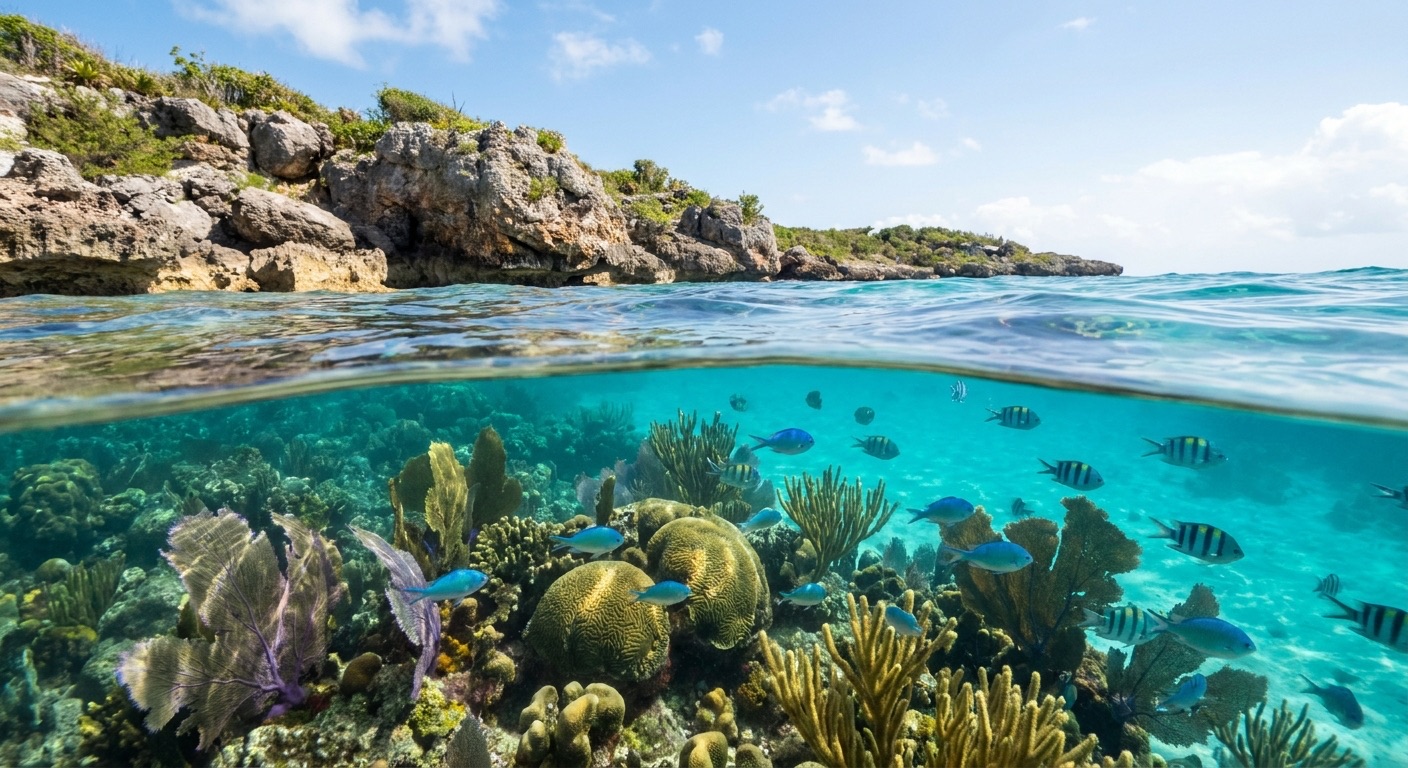
Bonaire is in the southern Caribbean and is part of the Caribbean Netherlands. It is known for shore diving: you drive to a marked site, gear up, and walk in from the beach to the reef. Its reefs are protected as a marine park, which dates from 1979 and is one of the oldest in the Caribbean.
How we plan to dive
We will have a pickup truck, the classic Bonaire shore-diving rig, with tanks in the back. We will drive to the yellow-painted site markers, and we will stay in a rented house instead of on a boat.
We plan to start with guided dives and a dive orientation, then shore dive on our own once we know the sites. Abbey, David and Jonathan are Open Water certified divers and will stay within Open Water limits. Caleb will try a Bubblemaker, a kids' first-breaths-on-scuba program, and snorkel. Whoever isn't diving snorkels.
Our list of sites
These are the places on our list. The map positions are approximate.
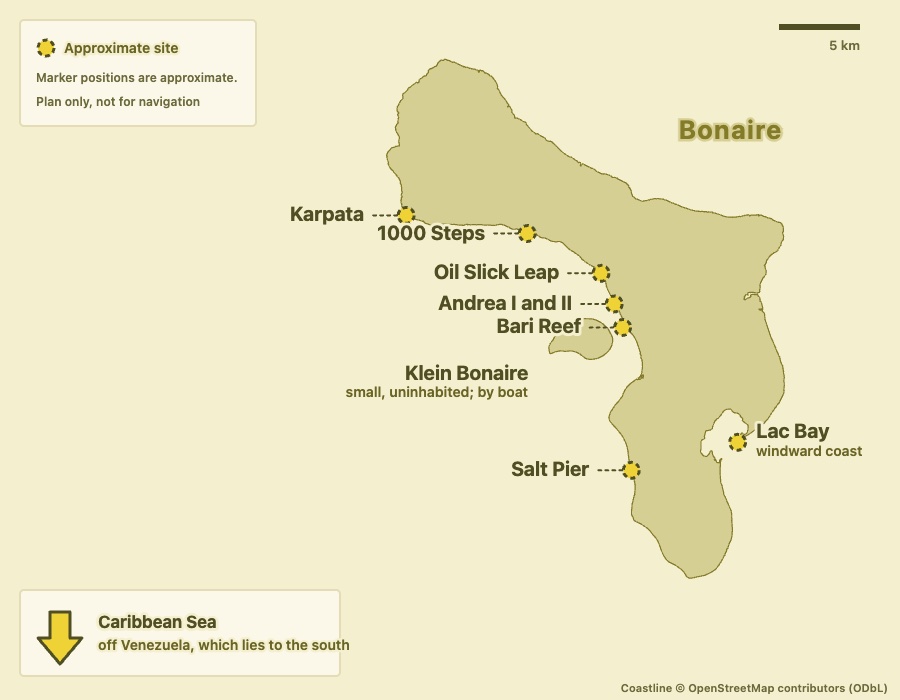
- Bari Reef
- Andrea I and II
- 1000 Steps
- Karpata
- Oil Slick Leap
- Salt Pier
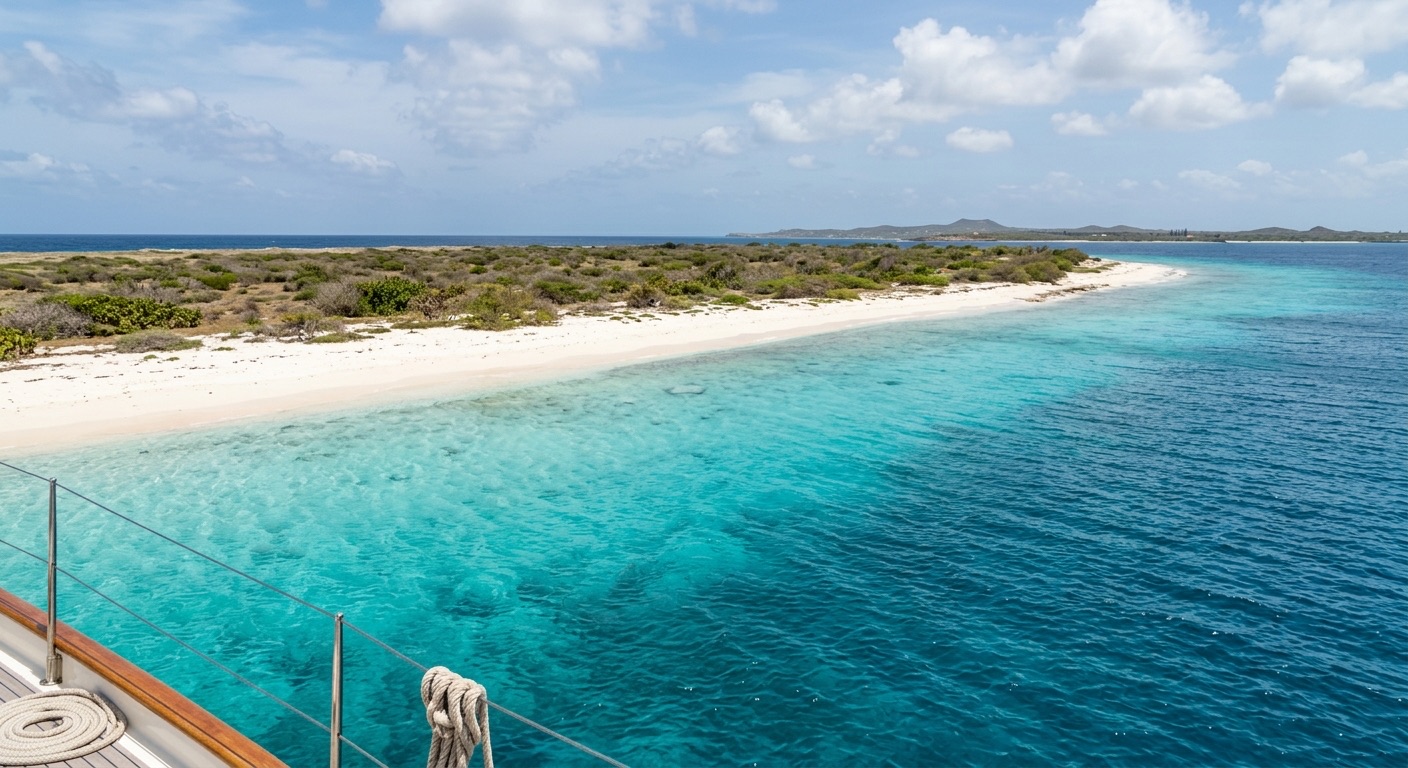
- Klein Bonaire, the small uninhabited island just offshore, which we would reach by boat
Abbey's reef project
The trip is also Abbey's January-term independent study for school. Her topic is how human activity and invasive species harm reefs. She plans to try two hands-on fixes, replanting coral and removing lionfish, and to look at whether they help protect Bonaire's reefs. This is what she is hoping to do.
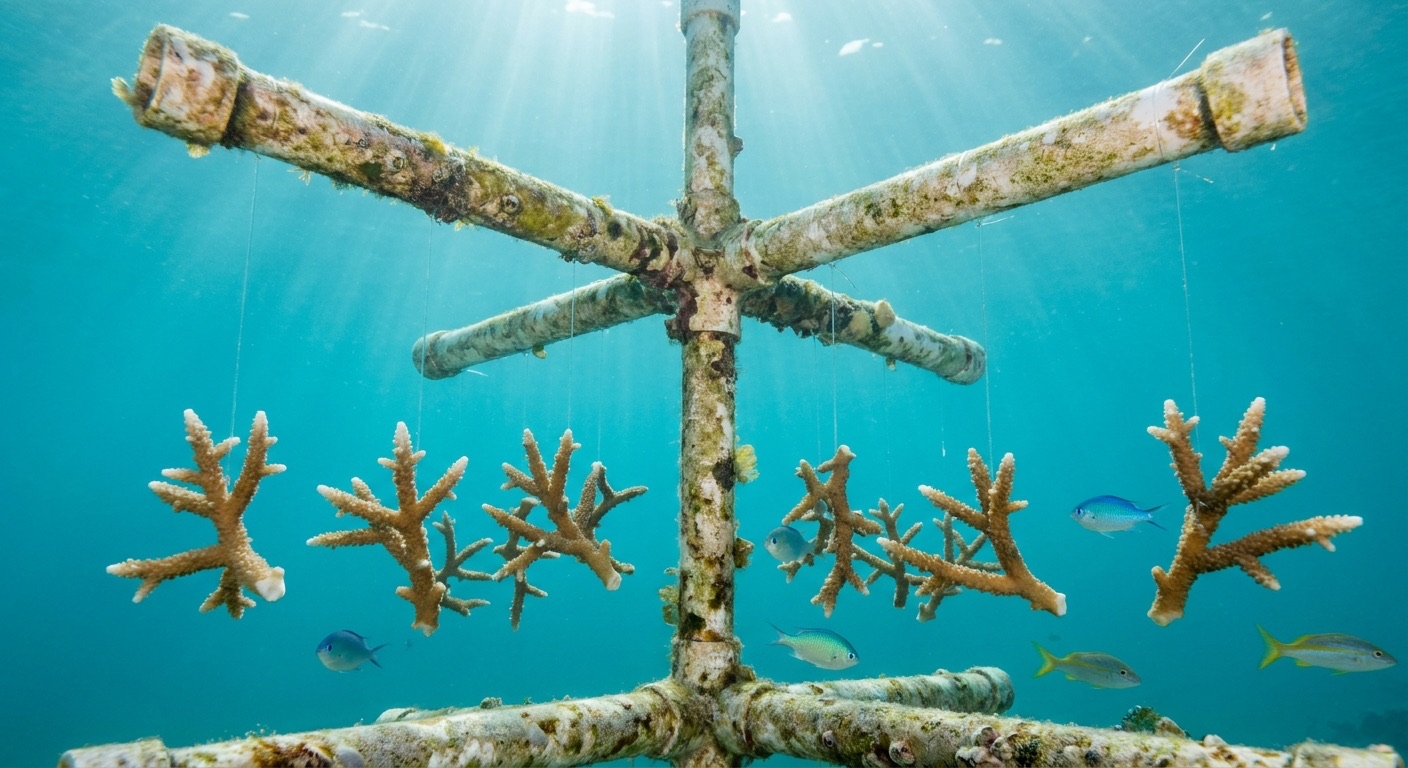
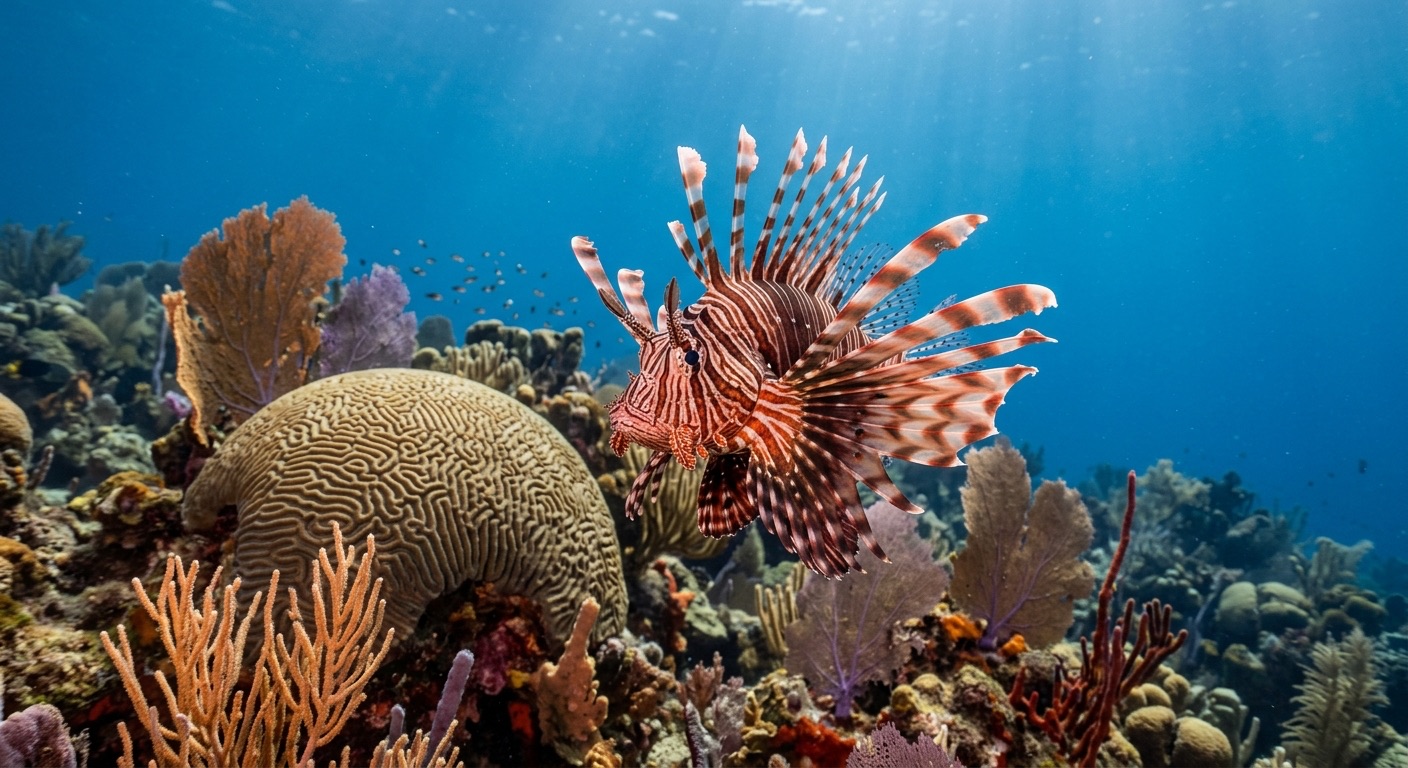
Lionfish are an invasive predator in the Caribbean. Reef restoration grows coral in underwater nurseries and then replants it on the reef. Reef Renewal Foundation Bonaire runs the coral restoration program on the island.
Abbey plans to take a reef restoration diver course of about two days and three dives, working in the coral nurseries. She is also hoping to take a one-day, two-dive lionfish hunter course, using a special handheld tool called the ELF that Bonaire's program uses. Before we go she is doing background reading and a coral restoration online course, and afterward she will put together a final project.
Above the water
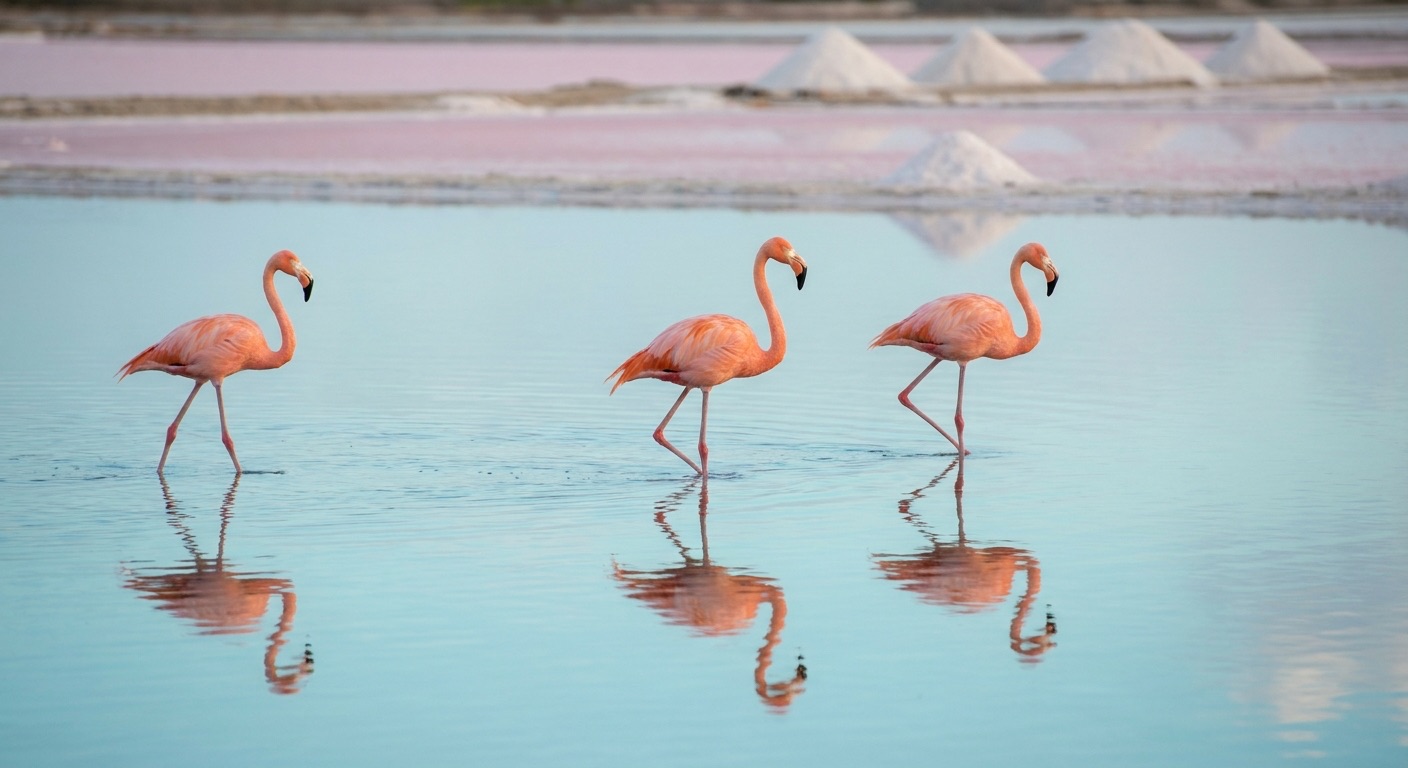
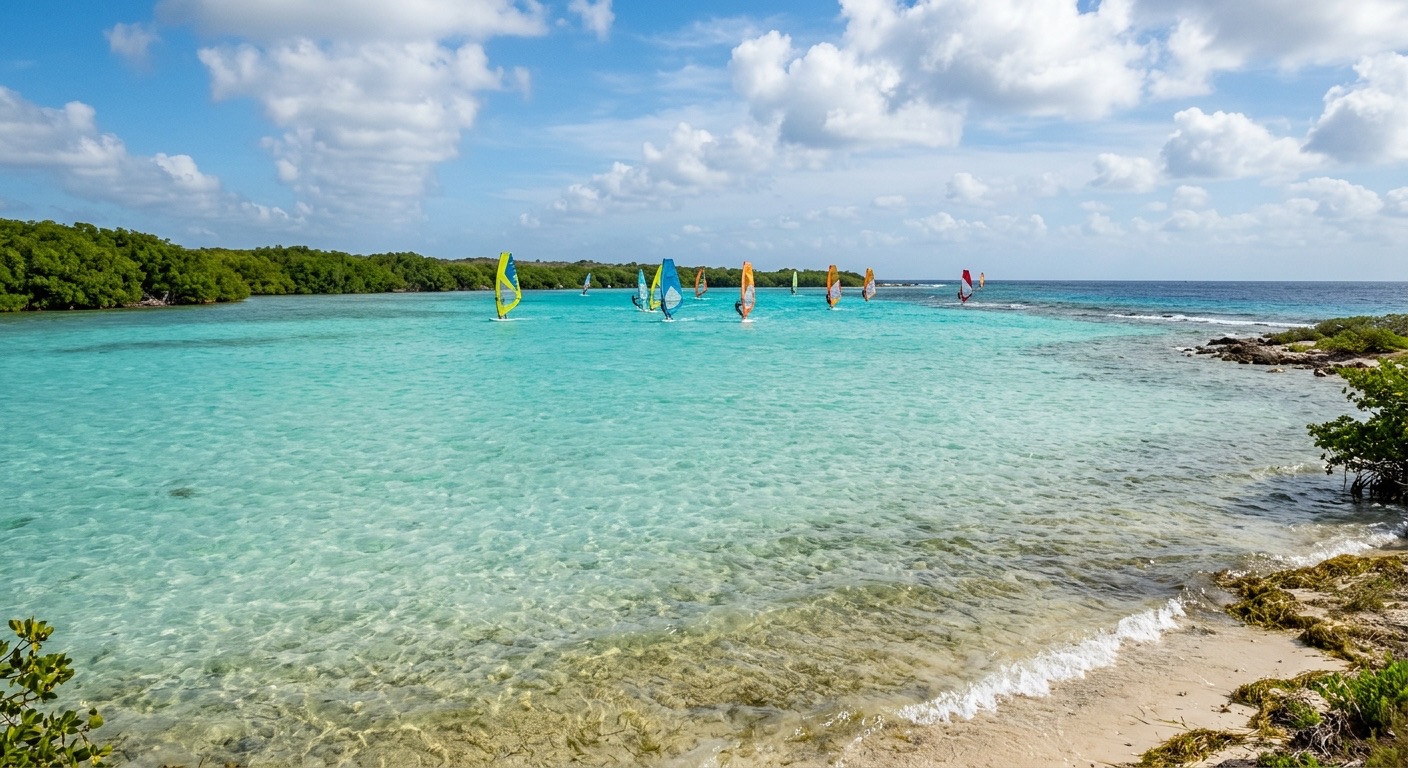
Bonaire has flamingos, wild donkeys, and Lac Bay on the windward side. We hope to see all three.
Not like the Pacific
French Polynesia is a week on a boat over Christmas. Bonaire is the opposite: a home base on land, and driving to dive sites. We like having both.
Following along
We will post as we go, and write recaps after we are home.